


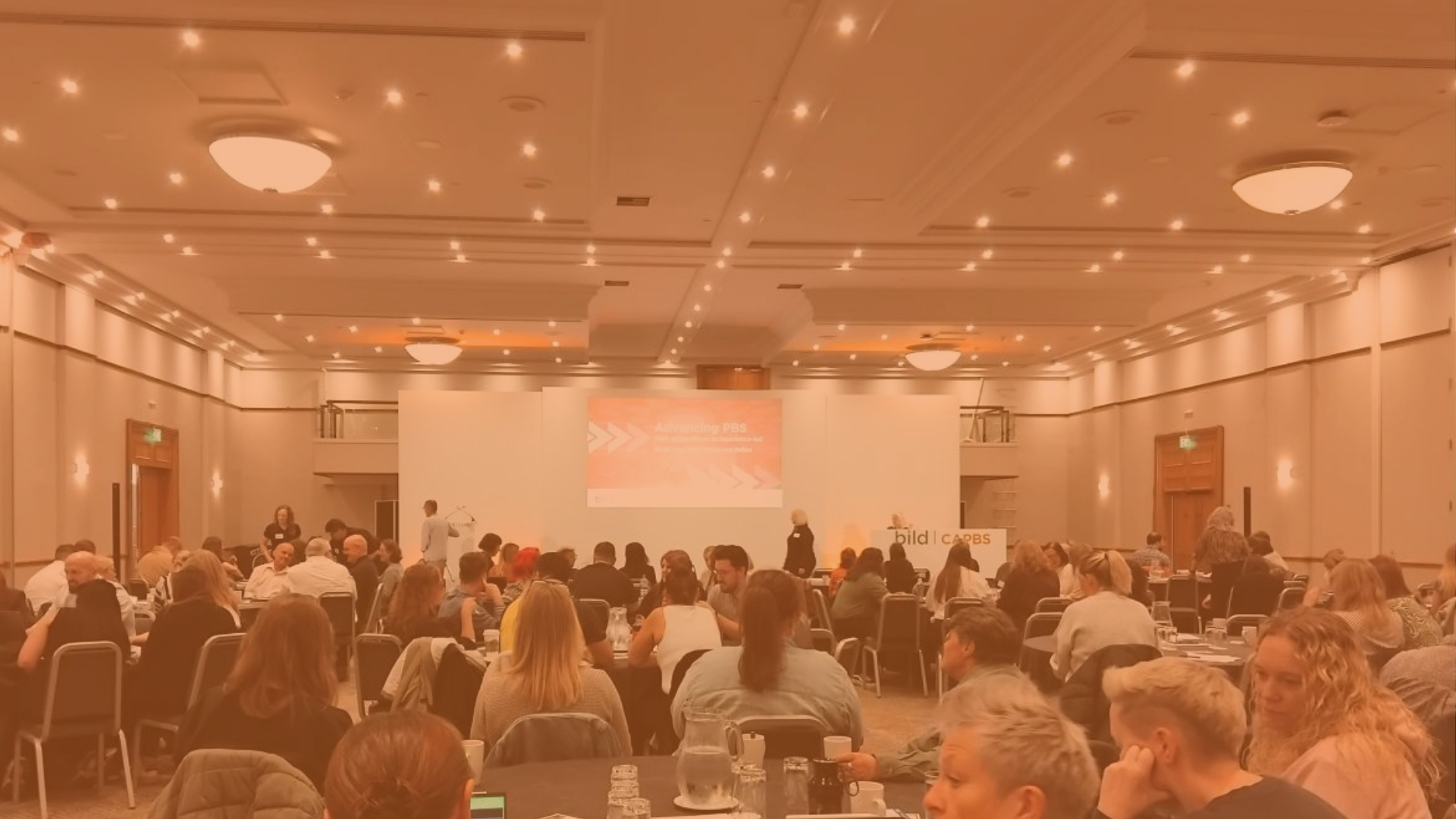
This May, we welcomed almost 300 people in Bristol and online for the International Positive Behaviour Support Conference 2026, ‘Advancing PBS: From expert-driven to experience-led’.
Bringing together people with lived experience alongside professionals from healthcare, education and social care, the conference explored how PBS can move beyond expert opinion to be genuinely shaped by the experiences, voices and priorities of the people it is meant to support.
Day 1 highlights
The conference opened with lived-experience reflections from Kamar Elhoziel, interviewed by Shell Williams, from North Wales Together PBS Steering Group. Kamar shared how her quality of life has been transformed through PBS-embedded support done with her, not to her. She described how having choice, doing what she enjoys and having purpose in her day has brought meaning and hope.
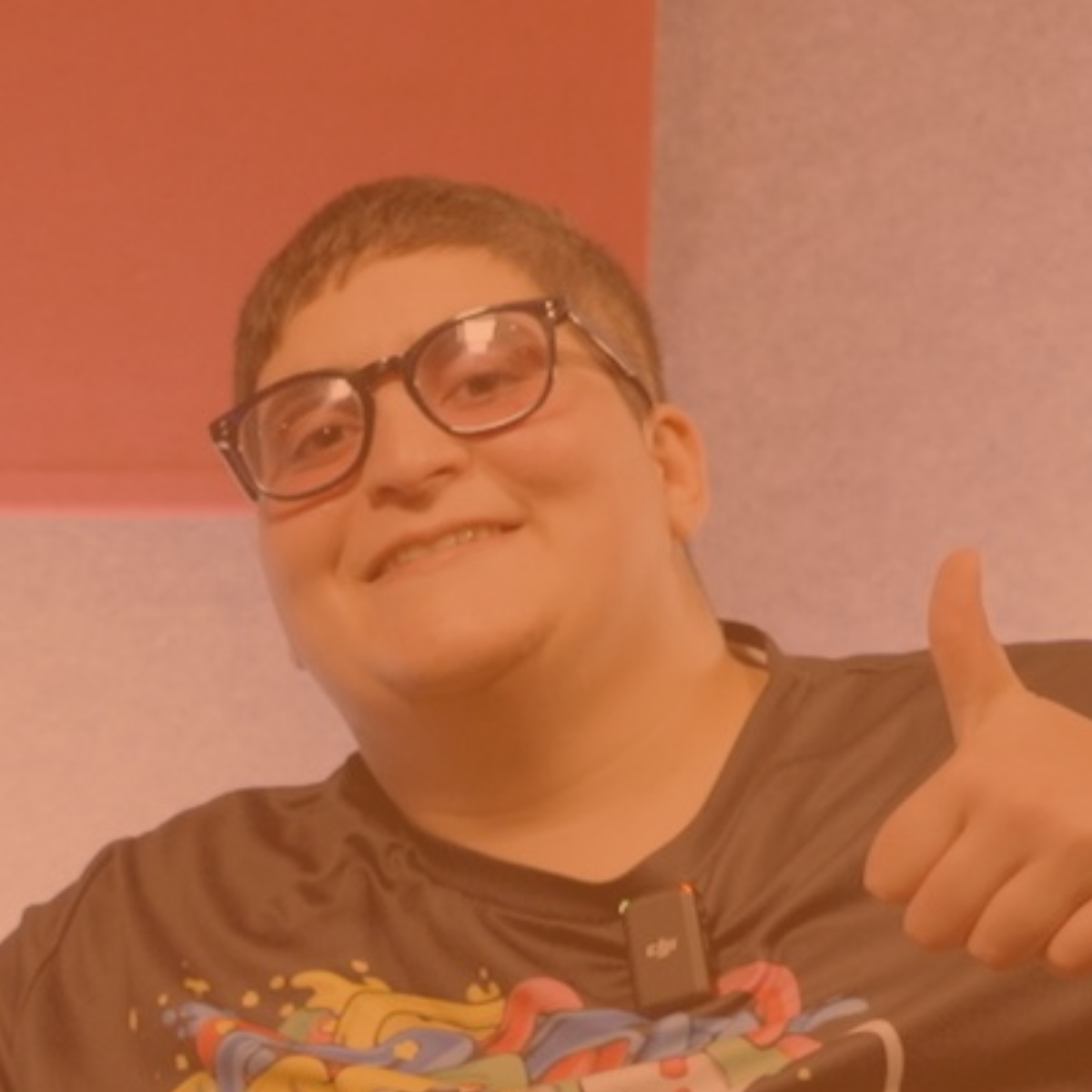
Kamar Elhoziel“Everyone deserves to have fun.”
Renowned leader in the field of PBS, Professor Peter McGill, spoke on the development and future directions of ‘Capable Environments’ within PBS – the idea that challenges often sit within systems and contexts rather than a person or their behaviour.
Laura Higgins and Jess Wood reiterated its importance of Practice Leadership in PBS in their keynote, highlighting the importance of leadership that is present, values-led and grounded in real experiences.
Communication also emerged as a central theme throughout the day. Professor Jill Bradshaw reflected on the ongoing difficulties many people with learning disabilities face in accessing effective communication support, while Sam Sly challenged the language of ‘Serviceland’ – the professionalised words and phrases used within health and social care settings that can confuse, exclude and even dehumanise people with lived experience.
Tony Osgood, author and consultant, closed day 1 with a thoughtful critique of person-centred policy. He highlighted the gap that can exist between values and implementation, and the barriers that too often prevent policy from translating into meaningful change in people’s lives.
Workshop programme
Across both days, delegates engaged in a wide range of in-depth, interactive workshops, offering space for reflection, challenge and shared learning. Sessions explored topics as varied as grief literacy in PBS support, the use of PBS in stroke rehabilitation, and discussions around the separation of PBS and physical intervention training.
CAPBS relaunch
The conference marked the relaunch of the Centre for the Advancement of Positive Behaviour Support (CAPBS), recognising the need for PBS to continue evolving if it is to remain meaningful and effective both for those receiving and providing support.
Alongside the relaunch, we were delighted to welcome PBS Coaches and Learners to the first meeting of the CAPBS Community of Practice Leaders. Our hope and aim for CAPBS and the Community of Practice is that they be catalysts for the positive evolution of PBS, and vehicles for the voices of wider PBS Communities working for that change.
Day 2 highlights
Day 2 continued to place strong emphasis on the need for person-centred, experience-led support in practice.
We heard from Danni who, after 17 years in hospital, is now enjoying the freedom to make choices about her own life. Danni’s story highlighted what becomes possible when support teams ensure people are genuinely at the centre of their own support planning.
But coproduction – working together with people with lived experience to do or change something – is not always as it should be. Debbie Austin – one of our conference chairs and parent to a daughter with learning disabilities – shared good and bad experiences of coproduction. Alongside Amanda Hartland from Swansea Bay University, we heard of the development of genuinely coproduced PBS training that reconnects the approach with its core values and real human experience.
Bild’s Working Together Checker was also shared as a practical tool for ensuring meaningful coproduction. Kate Brackley and John Lawley from Bild for the Future explained how to use the tool and shared their own experiences of working together to coproduce the Checker.

Find out more about the Working Together Checker
The day also looked to the foundations that support experience-led PBS. Recognised leaders in the study and implementation of Active Support, Professors Edwin Jones and Julie Beadle-Brown gave an overview of the history of this crucial approach that focuses on enabling people to take part in everyday life and added that PBS cannot be successfully implemented without Active Support.
Important panel discussions – where does PBS go next?
Panel discussions across both days created space for honest and at times challenging conversations about the nature and future of PBS.
On Day 1, David Lewis, Laura Higgins and Dave Williams explored what PBS is – and what it is not – inviting delegates to engage with the question of whether PBS should be clearly separated from physical intervention training.
The conference closed with a forward-looking panel chaired by Bev Murphy, featuring parent-carer Seema Islam, Peter McGill, Julie Beadle-Brown and Edwin Jones. The panel reflected on how PBS must continue to evolve, acknowledging both its limitations and impact. While PBS will never be perfect, the discussion emphasised the responsibility to ensure it remains good enough – grounded in values and shaped by experience.
Returning to a theme raised at the very start of the conference, the panel highlighted that flourishing as human beings requires more than meeting basic needs – it requires attention to what people want, enjoy and value.
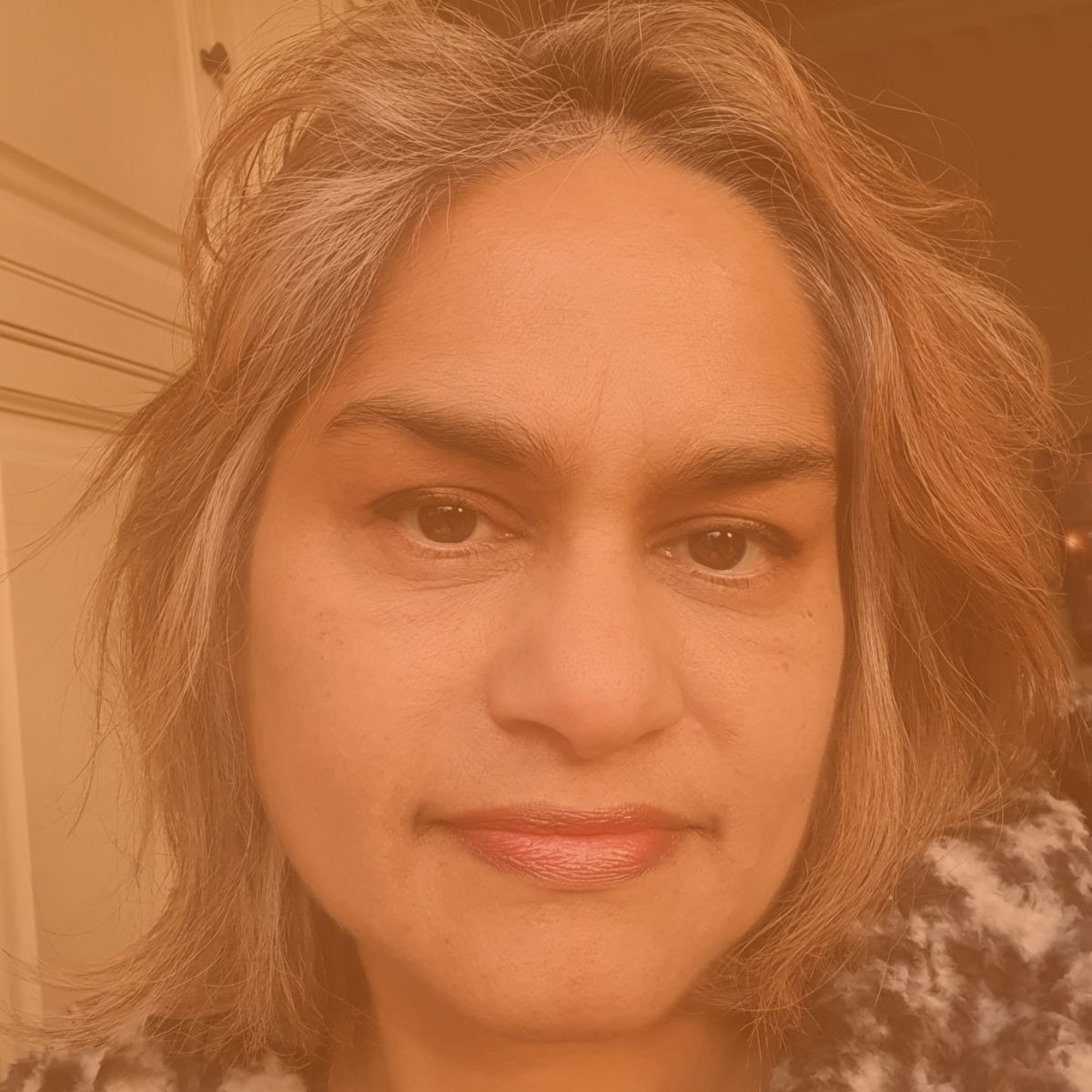
Seema Islam“Meeting needs is basic – I want people to meet my child’s wants.”
Don’t miss out next year!
Thank you to everyone who participated in making this year’s conference such a thoughtful, challenging and inspiring event. If you couldn’t join us this year, we hope to welcome you next time.
Conference delegateI had many conference highlights … I loved that there is a growing emphasis on lived experience being at the forefront and how this should always be part of our work … I really hope the ripples from this conference reach far and wide.
If you’d like to learn more about Bild and the Centre for the Advancement of Positive Behaviour Support (CAPBS):