



About CAPBS
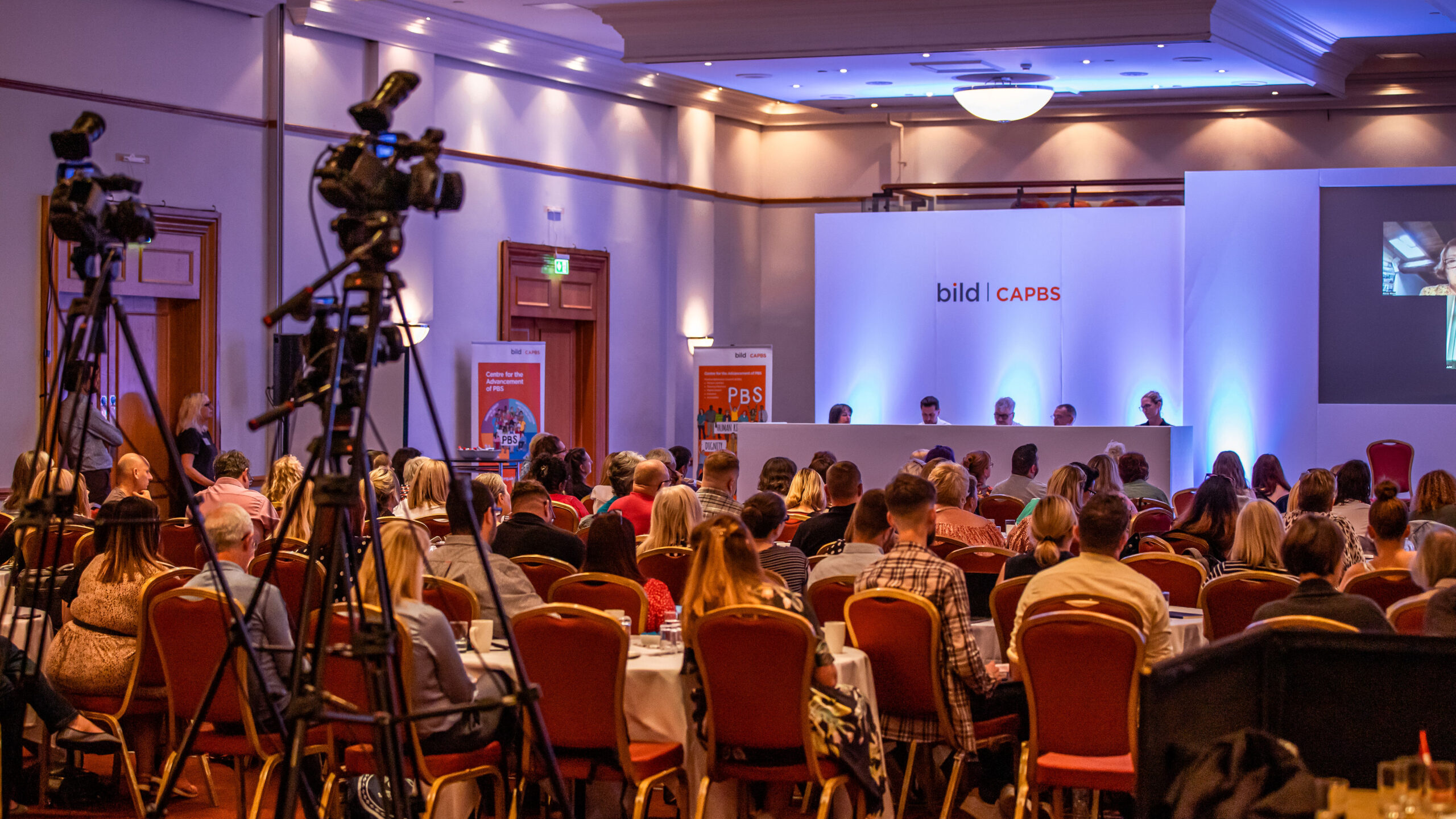
Bild Centre for the Advancement of Positive Behaviour Support (CAPBS) supports the ongoing evolution of PBS as a values-based framework, shaped by societal change and people’s everyday experiences. We believe PBS is strongest when the lived experiences of people, families, and practitioners play a central role alongside research in shaping understanding and informing better support.
CAPBS is a space for listening, learning, and growth. We encourage innovation and critical thinking, support reflective practice, and help services respond to emerging needs, while thoughtfully questioning approaches that no longer serve people well.
As a charitable, not-for-profit centre within Bild, CAPBS supports learning, workforce development, and organisational competence. We strengthen the skills, confidence, and values so PBS is applied with compassion, curiosity, care, with a clear focus on improving quality of life, now and in the future.
CAPBS Model of PBS
Find out about the Bild Centre for the Advancement of Positive Behaviour Support (CAPBS) model of PBS.
What CAPBS does
 Bild CAPBS produces free good-practice resources for practitioners, organisations and family-carers.
We host regular free webinars, focused on specific topics, to promote good practice and support ongoing learning.
Visit the resources page to view and download available resources.
Upcoming webinars are listed on the events page.
Bild members can access our extensive back catalogue of webinar recordings.
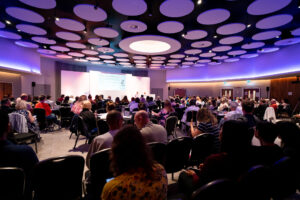 CAPBS hosts the annual International Positive Behaviour Support Conference, bringing together practitioners, professionals, researchers and people with lived experience to share learning, debate ideas, and explore developments in practice.
CAPBS offers a range of organisational development programmes:
- PBS workforce development programmes
- PBS BTEC qualifications at level 4 and level 5
- Consultancy services
- CAPBS Senior Leaders Programme
- CAPBS Partners Programme
- CAPBS Practice Leader Alumni Network
Develop PBS in your organisation
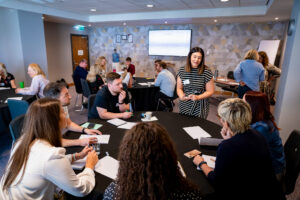
Bild CAPBS offers PBS organisational and workforce development programmes at all levels, to support a systemic approach.
Bild CAPBS leadership team
The Bild CAPBS leadership team is supported by our lived experience advisory group and our network of expert consultants.
Sarah Leitch
Sarah Leitch
Director of Programme Development
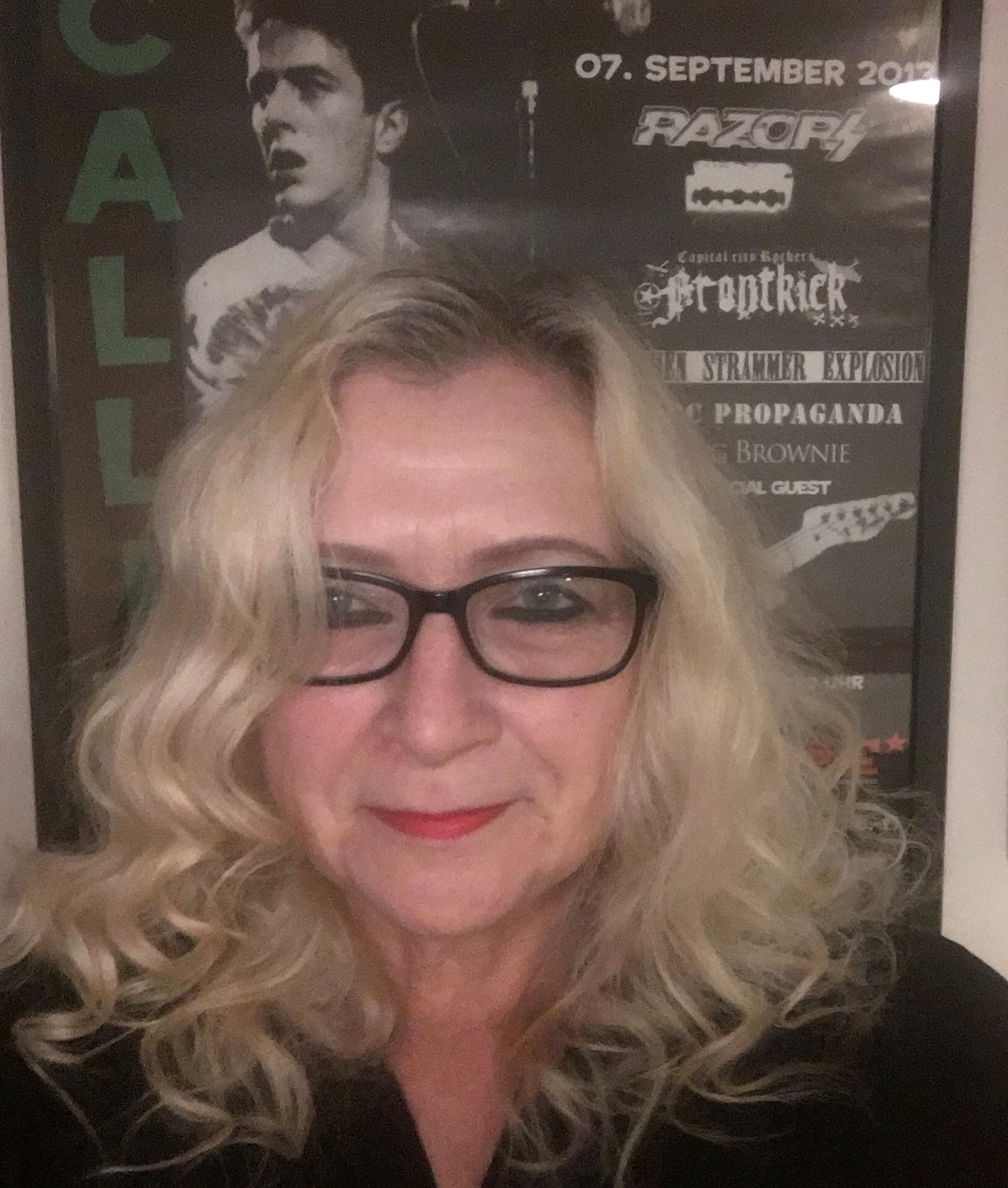
Sarah has co-authored a number of publications including the Restraint Reduction Network Training Standards, for training that has a restrictive intervention component, and the Welsh Government Framework for Reducing Restrictive Practices. Her main interests are in reducing the use of unnecessary restrictive practices, promoting practice leadership, and working collaboratively with people with lived experience to influence change. She also holds a MSc in Mental Health (Guy’s Hospital, AIIDD, Tizard Centre).
In her current role, Sarah oversees practice leadership qualifications in Positive Behaviour Support and Reducing Restrictive Practices, and the organisations’ workforce and organisational development programmes, all of which promote human rights-based practice.
Professor Edwin Jones
Professor Edwin Jones
Senior CAPBS Consultant
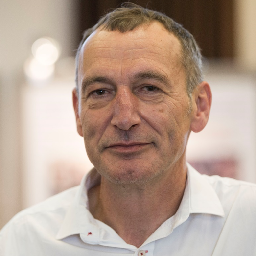
For around 20 years Edwin worked for Swansea Bay Health Board as a Service Improvement and Research Lead and was involved in service improvement, training and policy development focusing on Positive Behavioural Support. Edwin is an honorary Professor at the University of South Wales.
Previously, he was a Senior Research Fellow at the Welsh Centre for Learning Disabilities, University of Wales, where he co-developed Active Support. Edwin chaired the All Wales Challenging Behaviour Community of Practice and was a visiting lecturer at the International University of Catalonia, Barcelona. Edwin has co-developed several accredited e-learning qualifications in PBS. He was vice chair of the UK PBS Alliance, and a member of the Restraint Reduction Network, the PBS Academy, the SF Darrin PBS research network and a member of the Welsh Government Learning Disability Ministerial Advisory Group.
Edwin’s main interests include Positive Behavioural Support, behaviours of concern, Active Support and Practice Leadership and he has published and presented on these issues.
Edwin is committed to promoting human rights and social justice. He speaks Welsh and is interested in co-producing and developing understanding of his main research interests in other languages and cultural contexts.
In his retirement Edwin continues to provide good standard, affordable housing and promote social inclusion as a board member of First Choice Housing Association, he also enjoys spending time at his allotment.
Bev Murphy
Bev Murphy
Senior CAPBS Consultant
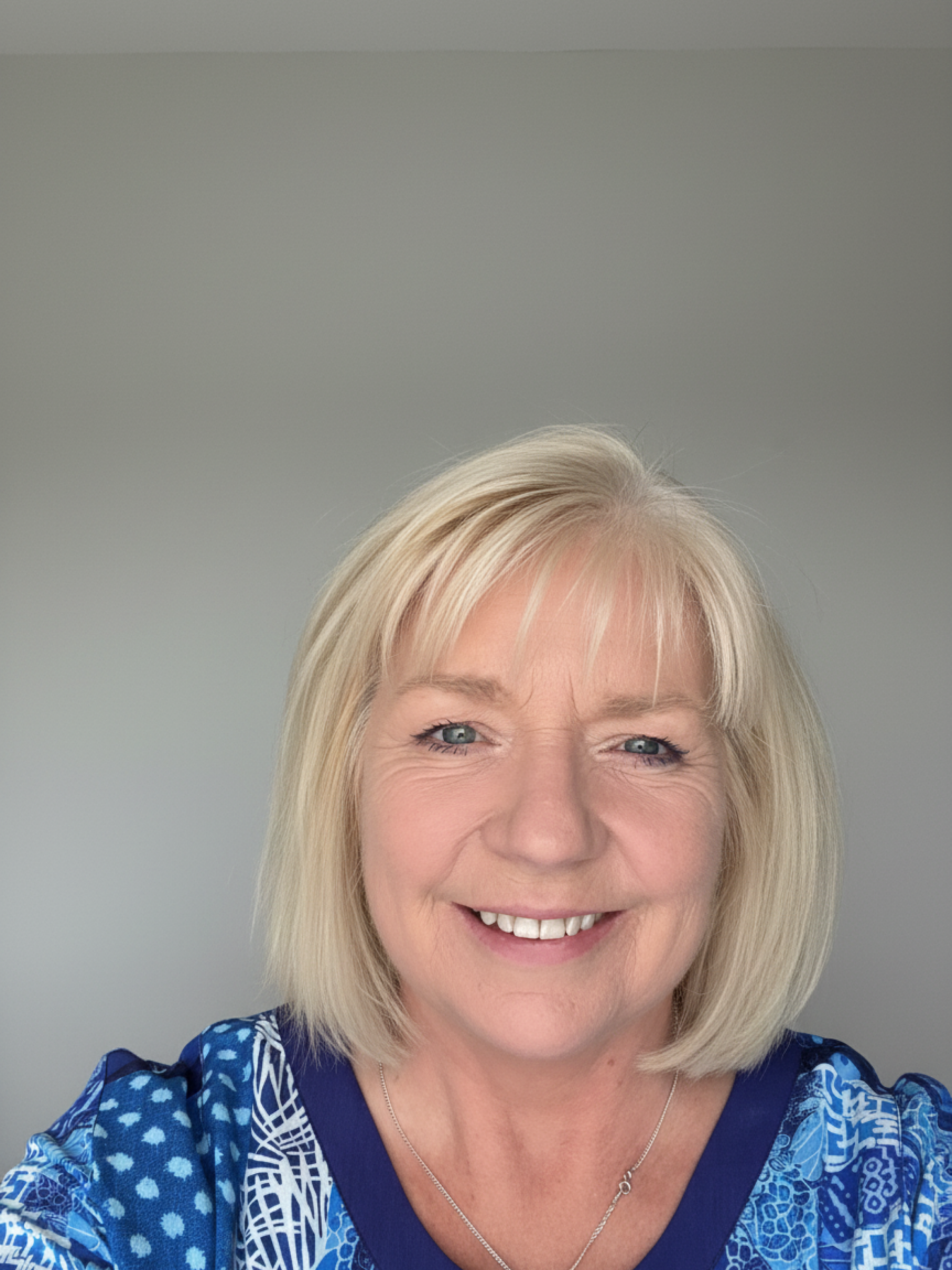
Bev’s current work spans the UK and internationally, supporting organisations to reflect critically on how support is delivered, strengthen capable and supportive environments, and align leadership, systems, and workforce development with improved quality-of-life outcomes. Aligned with CAPBS’s commitment to PBS as a values-based, evolving framework, her work is shaped by lived experience and learning from everyday practice. Her approach emphasises curiosity, collaboration, and practical learning that helps PBS remain relevant, ethical, and effective in real-world settings.
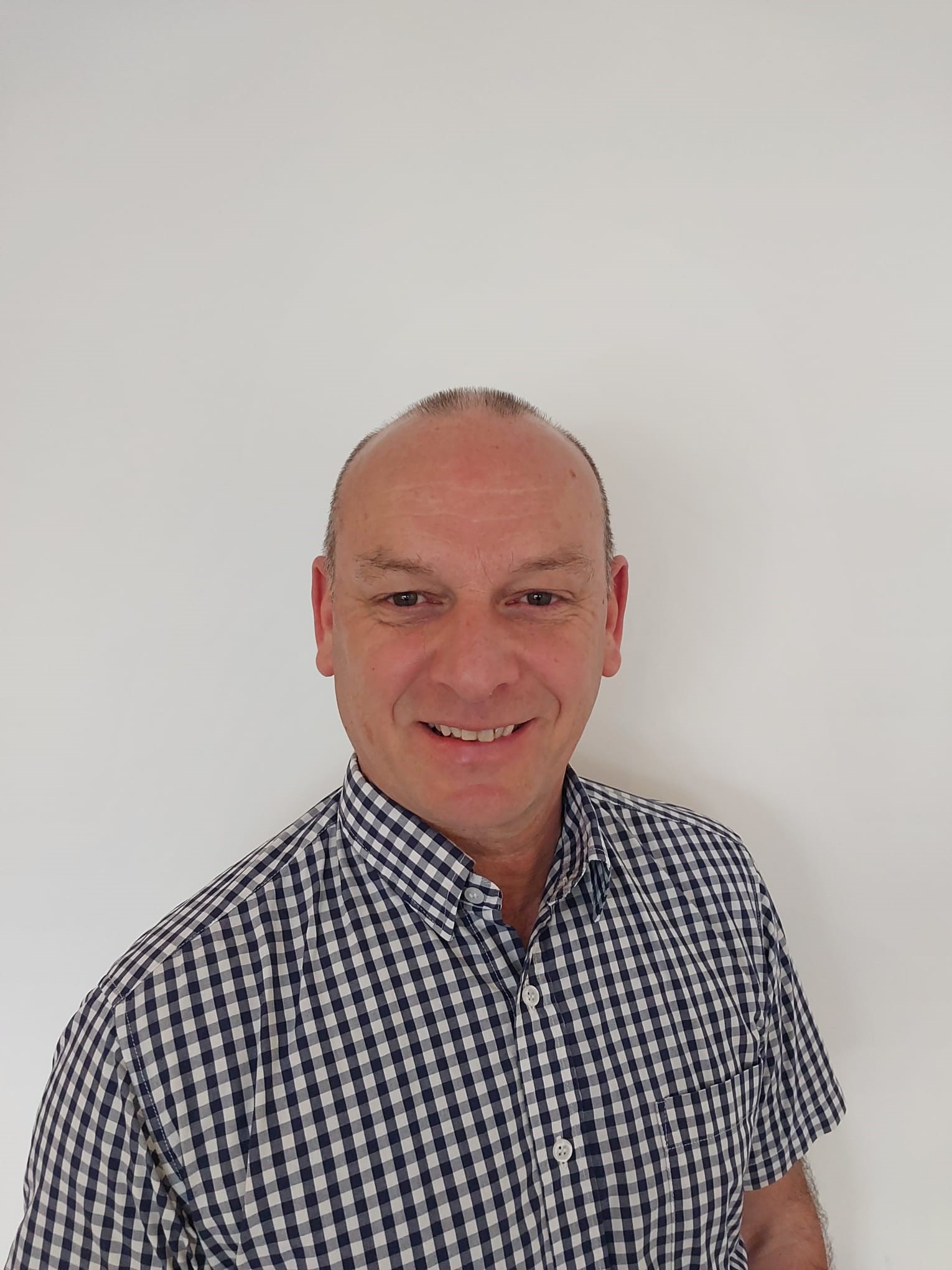
Steve Brown
Steve Brown
Qualifications Lead
Stephen is an active member of the PBS development team, contributing to the ongoing evolution of PBS and supporting colleagues to build strong professional networks for CAPBS Practice Leaders.
He recently led the development of a Strengths-Based Assessment (SBA) for the Centre for the Advancement of PBS, now widely used across health, education, and social care settings.
Stephen has over 30 years’ experience working with people with lived experience, learning disability teams, and service providers across North West England and North Wales, alongside 15 years as a PBS Practitioner and Active Support coach and trainer.

Marie Cresswell
Marie Cresswell
Workforce Development Lead
Marie began her career as a support worker with children and young people, where she first saw the impact of Positive Behaviour Support (PBS) on people’s everyday lives. She has since held a range of roles across children’s and adult services, schools, and colleges, including service manager and PBS Lead. Most recently, Marie was Strategic PBS Lead for a national social care organisation, managing a UK-wide PBS team and leading strategy, policy development, large-scale evaluation, and practitioner development.
At CAPBS, Marie supports organisations to embed system-wide PBS and strengthen practice leadership. She leads the PBS Alliance Community of CAPBS Practice Leaders and contributes to the education settings steering group. She has a specific interest in wellbeing, reducing restrictive practices, and school-wide PBS.
Marie holds an MSc in Analysis and Intervention in Intellectual and Development Disabilities from the Tizard Centre, University of Kent.
Outside of work Marie enjoys spending time with her family, playing with her young son, and putting her love of positive psychology into practice through journaling, polaroid photography, and gardening
Please note that CAPBS does not provide individual clinical work or supervision. This support is likely to be provided by statutory health and social care teams.